


-

Add: HeBei ShengShi HongBang Cellulose Technology CO.,LTD.
-

Email
13180486930@163.com -

CONTACT US
+86 13180486930
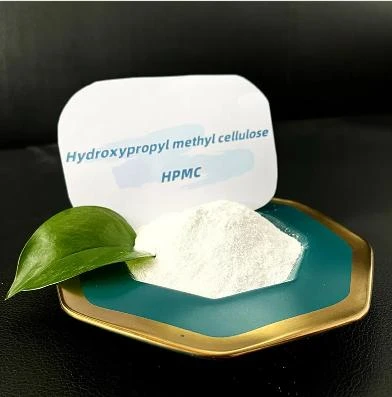



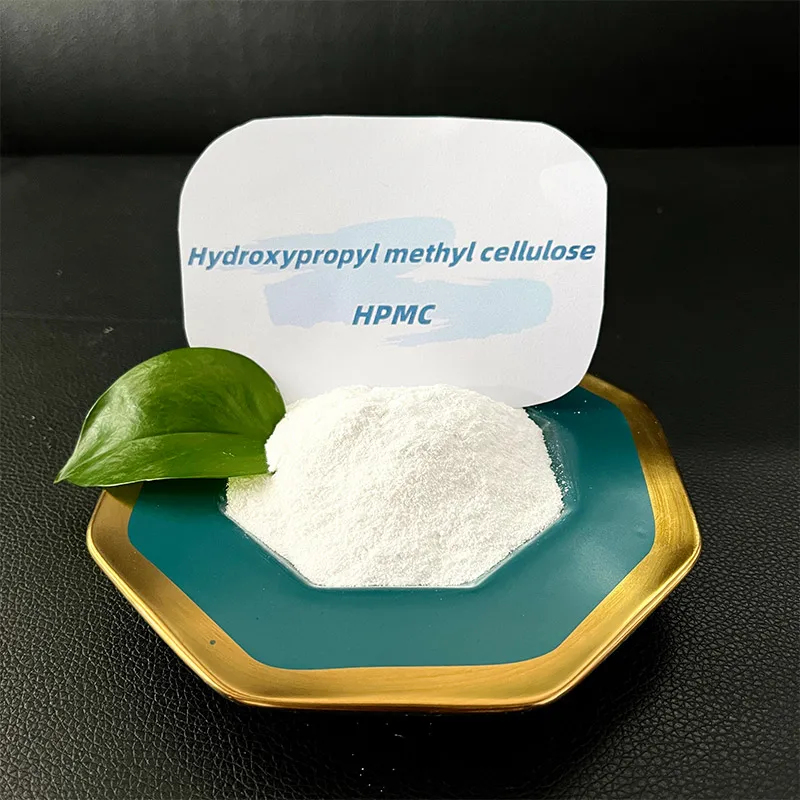
In today’s competitive construction industry, the demand for high-performance additives has surged, making HPMC for sale a crucial commodity for builders, contractors, and manufacturers. Hydroxypropyl Methylcellulose (HPMC) is an advanced construction additive derived from cellulose, designed to enhance the workability, adhesion, and water retention properties of various cement-based and gypsum-based formulations. If you’re looking for HPMC for sale , you're likely involved in producing or applying materials such as tile adhesives, wall putty, self-leveling mortars, plasters, or exterior thermal insulation systems. This versatile compound serves as a thickener, binder, and stabilizer. It plays a significant role in adjusting the setting time, preventing sagging in vertical applications, and achieving better finishes. Choosing HPMC for sale ensures that your dry-mix mortar maintains consistent viscosity and texture during application. It allows construction materials to retain water longer, leading to improved curing, stronger adhesion, and better cohesion of applied products. In demanding climate conditions or rapid project timelines, these benefits are particularly invaluable. When selecting HPMC for sale , quality and grade matter. Construction-grade HPMC varies based on viscosity, setting time, and application method. Whether you're formulating lightweight gypsum plaster or durable tile adhesive, a tailored HPMC for sale selection will boost efficiency, quality, and product satisfaction. Hydroxymethyl Cellulose: A Key Ingredient for Superior Construction Performance Hydroxymethyl cellulose , often compared with HPMC, is another high-functioning cellulose ether that contributes significantly to modern construction chemistry. Though chemically distinct, hydroxymethyl cellulose shares several functional benefits that make it suitable for building applications, especially where water retention, bonding strength, and smooth application are desired. When used in plaster, hydroxymethyl cellulose allows for extended open time, ensuring smoother finishes and better leveling. Its water retention capability is particularly advantageous in hot or dry conditions where traditional materials dry too fast, causing cracks and poor bonding. In tile adhesives, hydroxymethyl cellulose increases initial tack and reduces tile slippage. This makes it ideal for vertical installations and heavy stone or ceramic tiles. It also ensures tiles can be repositioned during installation without compromising final adhesion. For external insulation systems and renders, hydroxymethyl cellulose provides the necessary rheological control to maintain consistency throughout application. Its film-forming abilities result in more uniform coatings and improved resistance to water penetration or weathering. Manufacturers seeking long-term reliability in construction formulas increasingly incorporate hydroxymethyl cellulose due to its stable performance across different cement and gypsum systems. It is non-reactive, compatible with a wide range of additives, and ensures consistent quality across production batches. How Hydroxypropyl Cellulose Safe Grades Boost Construction Efficiency There’s growing interest in using hydroxypropyl cellulose safe formulations in construction due to their balance between performance, safety, and environmental sustainability. Hydroxypropyl cellulose safe for use in building products offers not only technical advantages but also reduced health risks for workers and minimal environmental impact. In cement-based mortars, hydroxypropyl cellulose safe grades function as thickening agents, providing excellent water retention and improved cohesion. These properties are essential for reducing cracking and increasing the durability of structures such as floors, walls, and ceilings. Wall putties enriched with hydroxypropyl cellulose safe improve application properties such as spreadability, work time, and surface smoothness. It minimizes dust generation during mixing and troweling, promoting a healthier work environment while enhancing end-user satisfaction. In tile adhesives, hydroxypropyl cellulose safe compositions increase bonding strength while preventing sag or slip in vertical applications. These features reduce installation failures and allow for more efficient use of labor and materials on-site. Another compelling advantage is its environmental friendliness. Because hydroxypropyl cellulose safe formulations are non-toxic and biodegradable, they are preferred for sustainable building projects, especially in green-certified developments or eco-friendly housing projects. Comparing HPMC for Sale and Hydroxymethyl Cellulose in Dry Mixes When formulating dry-mix mortars or plaster products, professionals often weigh the benefits of HPMC for sale and hydroxymethyl cellulose . While both are cellulose derivatives with similar water-retention and thickening properties, each offers unique advantages depending on the specific construction application. HPMC for sale is generally preferred in high-performance applications such as tile adhesives, leveling compounds, and EIFS (Exterior Insulation and Finish Systems). It provides strong thickening power, high water retention, and smooth rheology, ensuring premium application properties and superior durability. On the other hand, hydroxymethyl cellulose offers slightly different hydration characteristics, which can be beneficial in applications requiring fast mixing or early strength development. It's suitable for skim coats, wall plasters, and low-viscosity mortars where easy flow and a fine finish are desired. Both additives help improve workability and reduce sag, but HPMC for sale tends to perform better under high-temperature or low-humidity conditions due to its superior film-forming and moisture control properties. When selecting between HPMC for sale and hydroxymethyl cellulose , formulation engineers consider a variety of factors, including desired viscosity, set time, and compatibility with other ingredients. In many cases, a blend of both can yield optimal performance, combining the strengths of each. Trends in Construction: Why Hydroxypropyl Cellulose Safe Materials Are In Demand In recent years, the demand for hydroxypropyl cellulose safe construction materials has grown dramatically, largely driven by new regulations, sustainability goals, and increasing attention to occupational health and safety. Construction sites benefit from hydroxypropyl cellulose safe materials because they minimize airborne dust and skin or respiratory irritation. These safety features are critical in environments where large volumes of material are handled and applied every day. The smoother mixing and dust suppression also contribute to a cleaner and more efficient workspace. From a sustainability standpoint, hydroxypropyl cellulose safe grades are often derived from renewable raw materials and processed with eco-conscious methods. This aligns with LEED-certified building practices and government green mandates, which emphasize low-VOC, low-toxicity construction products. The performance advantages remain uncompromised. Hydroxypropyl cellulose safe grades deliver reliable thickening, water retention, and bonding performance. They are also compatible with pigments, defoamers, and retarders used in modern building material formulations. Whether you're formulating advanced plaster systems, tile grouts, or EIFS adhesives, the switch to hydroxypropyl cellulose safe options reflects a commitment to quality, safety, and environmental responsibility. In today’s market, this can be a significant differentiator and a selling point for your brand. Hydroxymethyl cellulose FAQs What is the benefit of using HPMC for sale in construction-grade materials? HPMC for sale enhances water retention, adhesion, and workability in cement and gypsum-based products. It ensures proper hydration, prevents sagging, and extends open time, which helps in achieving better surface quality and construction efficiency. How does hydroxymethyl cellulose differ from other cellulose ethers in building applications? Hydroxymethyl cellulose has distinct hydration and flow properties, making it ideal for fast-setting materials like skim coats and smooth plasters. It offers excellent water retention and compatibility with other additives but may not match HPMC’s thickening strength under high-stress conditions. Is hydroxypropyl cellulose safe for workers and the environment on construction sites? Yes, hydroxypropyl cellulose safe products are considered non-toxic, low-dust, and biodegradable. They are safe for human handling and contribute to healthier job sites and eco-friendly building practices. Their low irritant profile makes them suitable for use in green-certified construction projects. Can I mix HPMC and hydroxymethyl cellulose in the same dry-mix formula? Absolutely. Many formulators combine HPMC for sale and hydroxymethyl cellulose to achieve a balance between strong thickening (from HPMC) and smooth application or early strength gain (from hydroxymethyl cellulose). The ratio depends on the final product requirements and performance targets. What should I consider when buying HPMC for sale for construction use? When selecting HPMC for sale , consider factors like viscosity, setting time, water retention, and application method. Also check the compatibility with your other raw materials, environmental certifications, and whether the supplier offers consistent quality and technical support.
- 40000tons

Production
- 20+years

Experience
- 5000+㎡

Acreage

-

Understanding Cellulose Derived from Wood Cellulose is one of the most essential organic polymers found in nature, and it plays a crucial role in the structure of plants. In particular, cellulose derived from wood is of great significance in various industries, including paper production, textiles, and bioplastics. This article delves into what cellulose is, how it is derived from wood, and its applications in various fields. What is Cellulose? Cellulose is a complex carbohydrate, specifically a polysaccharide, composed of long chains of glucose molecules linked by β-1,4-glycosidic bonds. It serves as a fundamental building block in the cell walls of plants, providing structural support and rigidity. Unlike starch, which is used by plants as an energy source, cellulose is not digestible by humans; however, it plays a vital role in the human diet as dietary fiber, contributing to digestive health. How is Cellulose Derived from Wood? Wood is primarily composed of three types of polymers cellulose, hemicellulose, and lignin. Among these, cellulose is the most abundant, typically constituting about 40-50% of the wood mass. The extraction of cellulose from wood involves several stages 1. Harvesting and Processing Trees are harvested, and the wood is processed into smaller chips to facilitate further treatment. 2. Delignification The next step is to remove lignin, which serves as a glue-like substance binding cellulose fibers together. This process is often conducted using chemical methods, such as kraft pulping or sulfite pulping, which break down the lignin while preserving the cellulose fibers. 3. Bleaching After delignification, the resultant cellulose pulp may undergo a bleaching process to remove any residual lignin and improve the whiteness of the pulp. This step ensures that the cellulose is suitable for applications that require high purity, such as paper and textiles. 4. Purification Finally, the cellulose can be further purified through washing and drying processes, resulting in a high-quality cellulose product. apa itu selulosa yang terbuat dari kayu Applications of Cellulose from Wood The versatility of cellulose leads to its use in a wide range of applications. Some prominent uses include 1. Paper Production Cellulose is the main component in the production of paper and cardboard. The properties of cellulose fibers, such as their strength and flexibility, make them ideal for this purpose. The paper industry heavily relies on wood-based cellulose to produce everything from newspapers to high-quality printing paper. 2. Textiles Cellulose is used to produce various types of fibers, such as rayon and lyocell. These fibers are used in clothing, upholstery, and other textile products. The cellulose-derived fibers are biodegradable and provide an alternative to synthetic fibers, aligning with sustainable fashion practices. 3. Bioplastics With the growing concern over environmental sustainability, cellulose is being explored as a raw material for bioplastics. These biodegradable plastics can be manufactured from cellulose and serve as eco-friendly alternatives to conventional petroleum-based plastics. 4. Food Industry In the food industry, cellulose is used as a food additive, serving as a stabilizer, thickening agent, or emulsifier. It helps improve the texture and shelf-life of various food products. 5. Pharmaceuticals and Cosmetics Cellulose is also employed in the pharmaceutical and cosmetic industries. It is used as a binder in tablets and as a thickener in creams and lotions. Conclusion Cellulose, particularly that derived from wood, is a remarkable natural polymer with an extensive range of applications. Its unique structural properties make it indispensable in various industries, enriching our daily lives in multiple ways. The continuous exploration of cellulose's properties and potentials also paves the way for innovative and sustainable applications, contributing to the broader goal of environmental conservation. As industries shift towards more sustainable practices, cellulose stands out as a key material in fostering a greener future.
-
The Versatility of Fiber An Insight into Polyester and Polypropylene In today's world, the significance of synthetic fibers in various industries cannot be overstated. Among these, polyester and polypropylene are two of the most widely used materials, each with unique properties that cater to a plethora of applications. Understanding these fibers is essential, whether you are a consumer, a manufacturer, or someone interested in sustainable practices. Understanding Polyester Fiber Polyester, particularly polyethylene terephthalate (PET), is one of the most common synthetic fibers used in textiles. It was first introduced in the 1940s and has since revolutionized the textile industry due to its diverse functionalities. One of the key properties of polyester is its durability. Fabrics made from polyester are resistant to shrinking, stretching, and abrasion. This makes them ideal for clothing, upholstery, and various industrial applications. The Versatility of Fiber An Insight into Polyester and Polypropylene However, it is essential to consider the environmental impact of polyester production. Traditionally, polyester is derived from non-renewable fossil fuels, contributing to a significant carbon footprint. This has led to innovation in producing recycled polyester, which utilizes post-consumer plastic bottles and reduces waste in landfills. Brands are increasingly adopting eco-friendly practices, catering to the growing consumer demand for sustainable products. fiber ya saruji ya polypropen Exploring Polypropylene Fiber Polypropylene, on the other hand, is a thermoplastic polymer that has gained attention for its lightweight and high chemical resistance properties. First developed in the 1950s, polypropylene has carved a niche for itself, especially in packaging, automotive components, and medical supplies. It is also becoming popular in the textile industry, particularly for non-woven fabrics. One of the standout features of polypropylene is its hydrophobic nature, which means it repels water. This property makes it an excellent choice for outdoor fabrics, geotextiles, and other applications where moisture resistance is crucial. In addition, polypropylene fibers are known for their high tensile strength, making them suitable for products that require durability without added weight. In terms of environmental implications, polypropylene is also produced from fossil fuels, but like polyester, efforts are being made to enhance its sustainability. Biodegradable options and recycling initiatives are making their way into the market, giving consumers a chance to choose products that align with their values. Conclusion Polyester and polypropylene fibers play integral roles in our daily lives, from the clothes we wear to the products we use. While both materials have their downsides—primarily concerning their environmental impact—they also offer remarkable durability, versatility, and functionality. The textile industry is gradually shifting towards more sustainable practices, focusing on both recycling and developing biodegradable options. As awareness of environmental issues continues to rise, consumers will increasingly seek out innovative solutions that reduce our collective footprint while maintaining the benefits of synthetic fibers. The future of polyester and polypropylene fibers lies not just in the strength and durability of the material but also in the commitment to sustainability and responsible manufacturing practices.
advantages
-

200000 Viscosities
Excellent product
We can produce pure products up to 200,000 viscosities
-

40000 tons
High yield
We don’t stop production all year round, and the annual output can reach 40,000 tons
-

24 hours
Quality service
We provide 24-hours online reception service, welcome to consult at any time
———— Inquiry Form
Schedule A services


-
 flurbiprofen_sodium_with_hpmc_ophthalmic_solution
Oct . 25, 2025
Methocel HPMC, scientifically known as Hydroxypropyl Methylcellulose, is a versatile ingredient reno -
 super_absorbent_polymer_biodegradable
Oct . 25, 2025
The Cost of Polypropylene Fiber An Overview Polypropylene fiber, derived from the polymerization of -
 fibra_de_pelo_de_polipropileno
Oct . 25, 2025
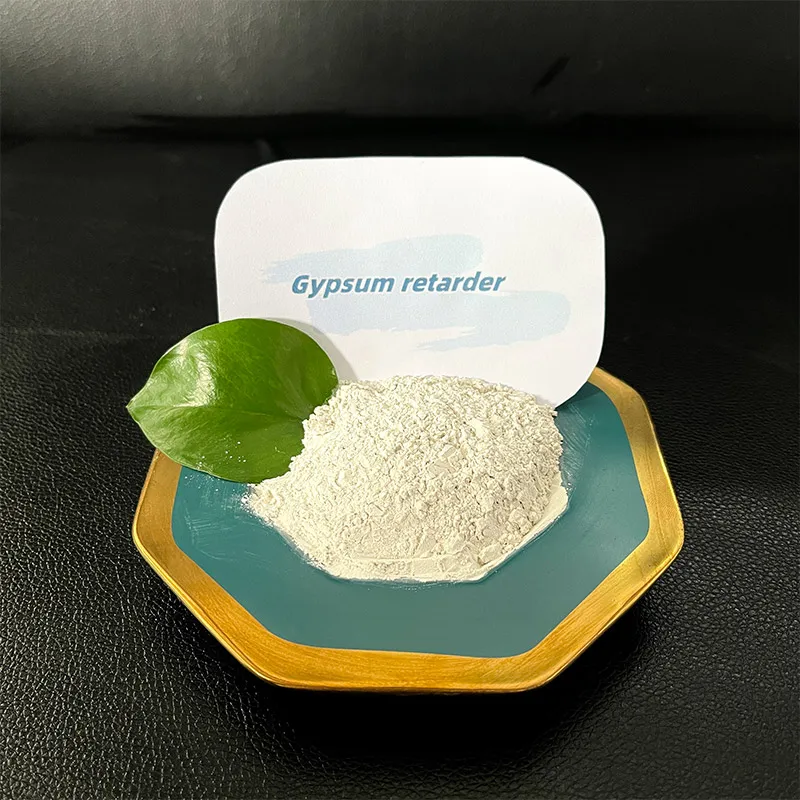
The gypsum retarder chemical is a crucial component in the world of plastering and construction. Gyp


